The Importance of Recovery: Sleep, Stress & Performance

Training creates the stimulus for progress, but recovery is what gives your body and mind the chance to adapt. That is why understanding the importance of recovery matters whether you lift weights, run, play football or train recreationally.
Sleep, everyday stress, nutrition, workload and the spacing of hard sessions can all influence how well you recover. If you repeatedly train hard while under-recovered, you may notice poorer performance, lower motivation and difficulty progressing, even when you are putting in plenty of effort.
Why Recovery Matters as Much as Training
Recovery is the process that takes place between training sessions as your body deals with the physical and mental demands you have placed on it.
A useful way to think about it is:
Training provides the challenge. Recovery allows adaptation.
If you train with enough structure and then recover adequately, your body has the opportunity to become better prepared for similar demands in the future. If the balance consistently moves too far towards stress and insufficient recovery, performance can suffer.
Sport-science consensus recognises that athletes need to balance training and competition stress with recovery, while also accounting for other demands in everyday life.
For recreational athletes, this is particularly relevant. Unlike professional athletes, most people are fitting training around work, family life, commuting and other responsibilities.
How Sleep Affects Exercise Performance & Recovery
Sleep is one of the most important parts of recovery because it supports both physical and cognitive function.
Research on athletes has linked insufficient or poor-quality sleep with reductions in areas such as strength, speed, attention and decision-making.
That doesn't mean one bad night's sleep will automatically ruin your training. What matters more is recognising patterns.
If you regularly sleep poorly and continue trying to train at maximum intensity, you may find that sessions feel harder, concentration drops and your ability to maintain good technique becomes more difficult.
Sleep requirements are also individual. Expert consensus on athlete sleep specifically cautions against assuming that one fixed number of hours will be ideal for everybody.
The practical takeaway is simple: treat sleep as part of your training plan rather than something separate from it.
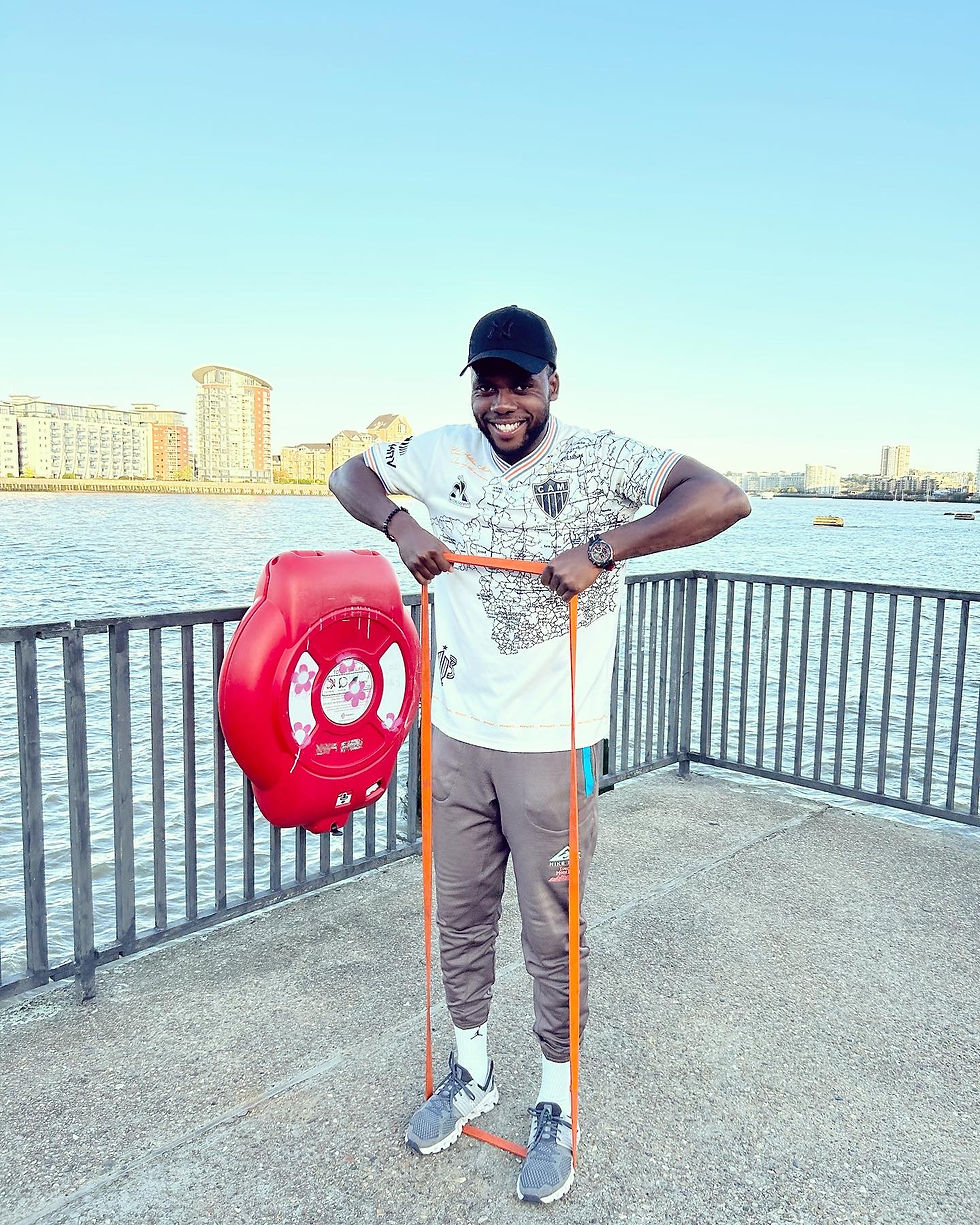
Stress Doesn't Stop When You Enter the Gym
Your body does not experience training stress in isolation.
A difficult week at work, poor sleep, relationship pressures, travel or a demanding schedule can all add to your overall load. Training itself is another stressor, albeit one that can be highly beneficial when managed appropriately.
This is why a programme that works perfectly on paper may still need adjusting in real life.
Imagine you normally train hard four times per week. During a particularly stressful period, your sleep drops, your energy is lower and you are struggling to concentrate. Continuing to push every session at the same intensity may not be the most productive option.
Sometimes the better decision is to reduce volume, lower intensity, move a difficult session or focus on technique and mobility.
That is not "giving up" on training. It is managing training more intelligently.
Signs Your Recovery May Need More Attention
There is no single feeling or metric that proves you are under-recovered, but patterns can be useful.
You may want to review your recovery if you repeatedly notice:
unusually heavy or sluggish sessions
persistent tiredness
declining motivation to train
poorer concentration during workouts
unusually prolonged soreness
worsening performance across several sessions
difficulty maintaining your normal training quality
disrupted sleep alongside high training or life stress
These signs do not automatically mean you have an overtraining condition or a medical problem. They are simply reasons to look at the wider picture.
If fatigue is persistent, severe or accompanied by other health concerns, speak to an appropriate healthcare professional rather than assuming training is the only cause.

Why More Training Is Not Always Better
One of the easiest mistakes to make is assuming that a plateau means you need to do more.
Sometimes you do need a stronger training stimulus. Other times, the limiting factor is your ability to recover from the work you are already doing.
Adding another hard session when you are already struggling to recover can simply create more fatigue.
This is particularly important in strength and conditioning, where progress depends on applying enough training stress while still allowing the athlete to perform well enough to benefit from subsequent sessions.
My approach with recreational athletes is therefore not simply to keep increasing workload. Programmes should take account of the person's sport, training history, schedule and wider circumstances.
If your goals are performance-focused, you can read more about my Strength & Conditioning coaching and Recreational Athlete Training.
Practical Ways to Improve Your Recovery
Recovery does not need to involve complicated routines or expensive products.
For most people, the fundamentals matter far more.
Protect Your Sleep Routine
Try to maintain a reasonably consistent sleep and wake schedule where possible. Give yourself enough opportunity to sleep rather than relying on catching up only when fatigue becomes obvious.
Research reviewing sleep interventions in athletes suggests that strategies such as extending sleep opportunity and, in some situations, naps can support sleep and performance.
Plan Hard & Easy Sessions
Not every workout needs to push you to your limit.
Alternating demanding sessions with easier training, mobility work or rest can make the overall programme more sustainable.
Adjust Training to Real Life
Your training programme should have enough structure to create progress, but enough flexibility to account for unusually stressful periods.
One difficult week does not require abandoning your programme. It may simply require a temporary adjustment.
Eat & Hydrate Consistently
Recovery also depends on providing your body with appropriate nutrition and fluids. Your exact needs will vary according to your goals, body size, activity and training demands.
Monitor Patterns, Not One-Off Days
Everyone has poor sessions occasionally.
Rather than reacting dramatically to one difficult workout, look for repeated changes in energy, performance, sleep, motivation and soreness over time.
Recovery for Recreational Athletes
Recovery becomes especially important when you are combining several types of activity.
For example, someone may play football at the weekend, complete two gym sessions during the week and add a run or conditioning session.
Each activity may be manageable individually, but the combined workload can become demanding when work stress and poor sleep are added.
That is why recreational athletes often benefit from thinking about their whole week, rather than treating each workout as an isolated session.
Your hardest gym session the day before a football match may not make sense if the priority is performing well on the pitch. Equally, constantly avoiding difficult training because you want to feel fresh all the time will limit progress.
The goal is balance.
My Athletic Training approach is built around matching training to the physical demands of the individual's sport and goals.
Frequently Asked Questions
Why Is Recovery Important After Exercise?
Recovery allows your body to respond to the stress created by training. Adequate recovery helps you return to future sessions capable of performing effectively and supports the longer-term adaptations you are training for.
Does Sleep Affect Gym Performance?
Yes. Poor or insufficient sleep can affect physical and cognitive performance, including qualities such as strength, speed, attention and decision-making. The extent varies between individuals and circumstances.
Can Stress Affect Workout Performance?
Yes. Training stress combines with other demands in your life. High work or personal stress, particularly alongside poor sleep, can influence fatigue, concentration and how well you tolerate your normal training workload.
How Many Rest Days Do I Need?
There is no universal number. Appropriate rest depends on factors including your training frequency, intensity, experience, sport, lifestyle and recovery. Some programmes use complete rest days, while others include lower-intensity activity between demanding sessions.
How Do I Know if I Need More Recovery?
Look for patterns rather than one difficult day. Persistent tiredness, falling performance, unusually prolonged soreness, low motivation or repeated difficulty completing normal sessions may indicate that your training and recovery balance needs reviewing.
Build Recovery Into Your Training Plan
Good recovery does not mean avoiding hard work. It means making sure hard work is placed within a programme you can actually recover from and repeat consistently.
If you are training regularly but struggling to balance performance, fatigue and everyday commitments, personalised programming can help you decide when to push, when to adjust and how to structure your week more effectively.


Comments