Strength Training vs Cardio: What Delivers Better Long-Term Results?
The strength training vs cardio debate is often framed as a choice between two opposing methods. In reality, both offer valuable but different benefits, and neither should be viewed as a complete solution on its own.
Strength training is typically more effective for building muscle, maintaining physical capability and improving body composition over time. Cardio is useful for improving cardiovascular fitness, stamina and increasing overall daily activity levels. For most people, the best long-term results come from combining both in a way that suits their goals, preferences and lifestyle.
Which Type Of Training Is Better Overall?
Neither is universally better. The right approach depends on what you want to achieve and how you plan to maintain it long term:
Build strength and muscle: Focus on strength training
Improve endurance and stamina: Focus on cardio
Lose fat sustainably: Combine both with appropriate nutrition
General health and wellbeing: Stay consistently active and include both
UK physical activity guidelines encourage regular movement, reduced sedentary time and the inclusion of strength-based exercise. This supports a balanced approach rather than choosing one method over the other.
What Strength Training Does For Your Body
Strength training involves working muscles against resistance using weights, machines, resistance bands or bodyweight exercises.
The aim is not simply lifting heavy weights, but progressing gradually with good technique, control and consistency over time.
Builds & Maintains Muscle
Consistent resistance training helps build or maintain muscle, which supports daily movement, physical performance and long-term independence. This becomes increasingly important with age, as muscle mass and strength naturally decline without regular use.
Maintaining muscle also supports joint stability and can contribute to better posture and movement quality.
Improves Everyday Strength
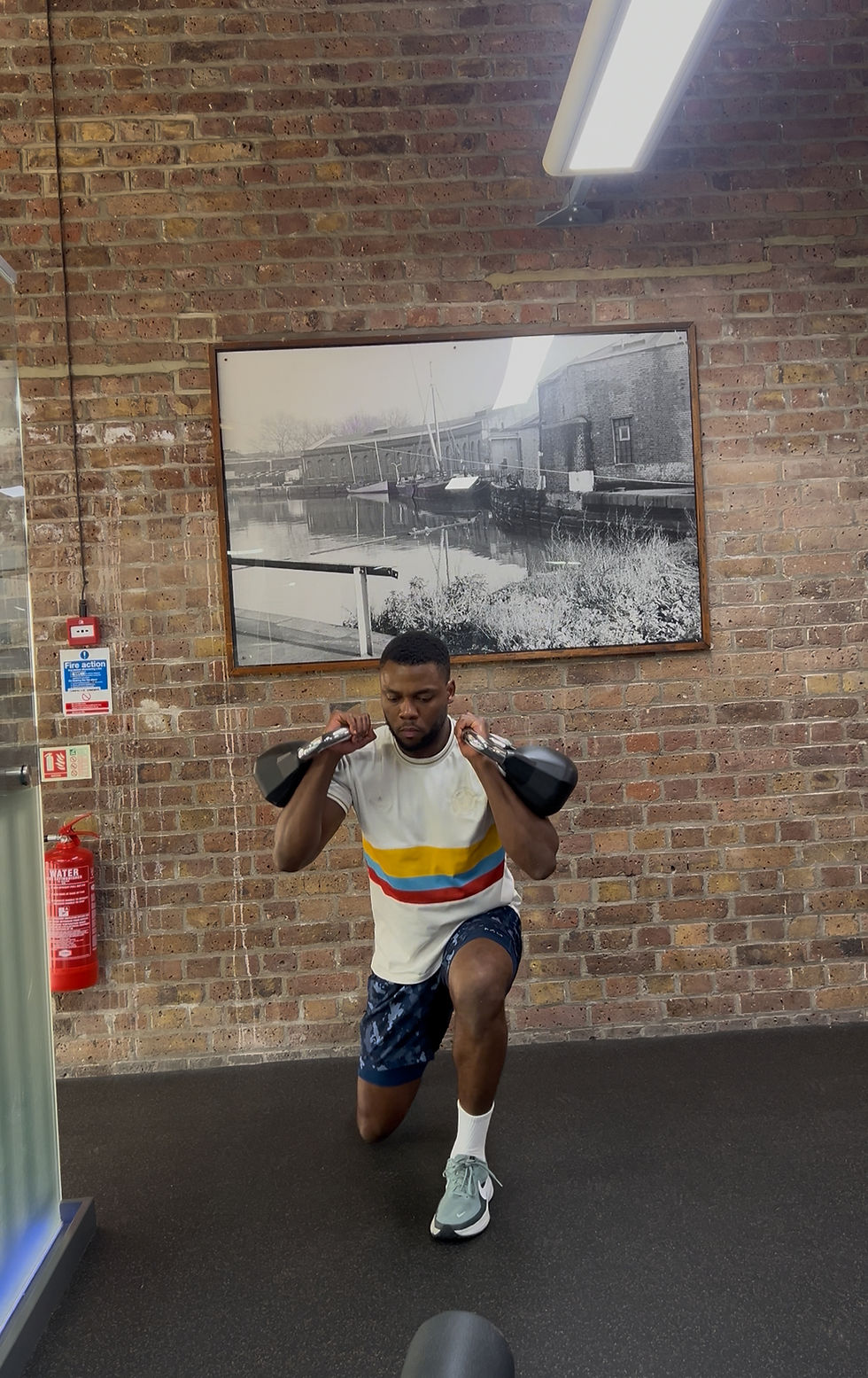
Exercises like squats, presses, rows and lunges strengthen movement patterns used in daily life. This can make tasks such as lifting, climbing stairs, carrying shopping or getting up from the floor feel easier and more controlled.
This is where functional training can be especially useful, as it develops strength alongside balance, coordination and mobility.
Supports Body Composition
Strength training helps preserve lean muscle, which plays a role in improving body composition. While it does not directly cause fat loss, it supports a more favourable balance between muscle and body fat when combined with appropriate nutrition and activity levels.
Supports Physical Performance
For recreational athletes, strength training helps improve force production, stability and movement control. This can support performance in sports such as football, running or tennis, while also helping the body tolerate repeated physical demands.
More tailored support can come from strength and conditioning coaching, which aligns training with specific performance goals.
What Cardio Does For Your Body
Cardio includes activities that raise your heart rate over a sustained period, such as walking, running, cycling, swimming or group exercise classes.
It can range from low-intensity movement to higher-intensity intervals depending on your fitness level and goals.

Improves Cardiovascular Fitness
Regular cardio improves your ability to sustain activity and recover between efforts. As your fitness improves, everyday tasks like walking uphill, climbing stairs or playing sport often feel less demanding.
Builds Stamina
Cardio helps you perform for longer before fatigue sets in. This is particularly useful for sports or activities that involve continuous or repeated movement over time.
Easy To Access
Cardio is often simple to start. Walking, for example, requires no equipment and can be built into daily routines such as commuting or lunch breaks. This makes it ideal for beginners or those returning to exercise after a break.
Supports Energy Use
Cardio increases energy expenditure, which can support fat loss when combined with appropriate nutrition. However, calorie estimates from watches or machines are not always accurate, so progress should be judged over weeks and months rather than individual sessions.
Is Cardio Or Strength Training Better For Fat Loss?
Neither works effectively in isolation.
Cardio can increase energy expenditure during and after activity, while strength training helps maintain muscle during weight loss. Combining both is usually the most effective and sustainable approach.
Nutrition remains the key factor. A realistic fat-loss routine might include:
2–3 strength sessions per week
Regular walking or low-impact daily activity
1–2 structured cardio sessions
Adequate recovery and sleep
Consistent, realistic eating habits
The exact balance depends on your starting point, preferences and schedule. Support from nutrition and performance coaching can help align your training with sustainable habits rather than short-term fixes.
Is Cardio Or Strength Training Better For Fitness?
Fitness is not a single quality. It includes strength, endurance, mobility, coordination and balance.
Someone may be strong but lack endurance, while another person may have good stamina but limited strength. For balanced fitness, it’s important to train more than one physical quality.
Strength training develops force, stability and physical capability, while cardio improves endurance and cardiovascular efficiency. Both contribute to overall fitness and should be included where possible.
Common Mistakes When Choosing Between Them
Doing Only Cardio
Relying solely on cardio may improve endurance but does little for strength or muscle development. Adding resistance training creates a more balanced and effective routine.
Avoiding Cardio
Focusing only on weights can neglect cardiovascular fitness. Including some aerobic activity supports overall health, stamina and recovery.
Training Too Intensely
Constant high-intensity sessions can reduce consistency and increase fatigue. A mix of harder and easier sessions is more sustainable and often more effective long term.
Poor Planning
Strength and cardio should be planned together rather than treated as separate elements. Overlapping demanding sessions can affect recovery, performance and motivation.
Changing Too Often
Frequent changes make progress harder to track. Consistency with gradual progression is usually more effective than constantly switching routines.

How To Balance Strength Training & Cardio
The right balance depends on your goal, experience and available time.
General Health
Aim for two strength sessions per week alongside regular activity such as walking, cycling or recreational sport. Consistency matters more than complexity.
Fat Loss
Combine strength training with increased daily movement and manageable cardio sessions. Focus on habits you can maintain rather than extreme approaches.
Muscle Gain
Prioritise strength training, with cardio included in a way that supports health without interfering with recovery or performance.
Sports Performance
Training should reflect the demands of your sport, including strength, speed, endurance and recovery. Athletic training sessions can help tailor this approach.
Beginners
Start simple. Two strength sessions and regular walking are enough to begin. Build gradually as confidence, fitness and consistency improve.
A Simple Example Training Week
Monday: Strength training
Tuesday: Walk or cycle
Wednesday: Rest or mobility
Thursday: Strength training
Friday: Short cardio session
Saturday: Sport or longer activity
Sunday: Rest
This is just a guide. Your plan should reflect your schedule, experience, recovery and personal preferences.
Frequently Asked Questions
Should I Do Cardio Or Weights First?
Do your priority first. If strength is your main goal, lift weights first. If endurance is your focus, prioritise cardio.
Can Strength Training Replace Cardio?
It can raise your heart rate, but it doesn’t fully replace sustained aerobic activity. Including both provides a more balanced approach.
Can Cardio Build Muscle?
It may build some muscle in beginners, but resistance training is more effective for developing strength and muscle mass.
How Many Days Should I Train?
There’s no fixed number. Consistency, recovery and sustainability matter more than training frequency.
Do I Need A Gym?
No. Both strength and cardio can be done at home or outdoors using minimal equipment.
Which Is Better As I Get Older?
Both are important. Strength training supports muscle, balance and independence, while cardio supports endurance and heart health.
Choose The Approach You Can Maintain
Strength training and cardio offer different benefits, so the goal isn’t choosing one over the other.
Prioritise strength if you want to build muscle or improve physical capability. Prioritise cardio if endurance is your main focus. For most people, combining both leads to better long-term results.
The most effective programme is one you can follow consistently over time. If you need help structuring your training, explore personalised coaching or get in touch to build a plan that fits your goals, ability and lifestyle.


Comments