How Strength Training Reduces Injury Risk In Amateur Footballers
Amateur footballers often pick up injuries because match demands are high, but training outside of football is limited. Strength training for football injury prevention helps prepare the body for sprinting, stopping, turning, landing and contact, which are all part of the game.
For recreational players, the goal is not to train like a professional. It is to build enough strength, control and resilience to play more consistently, recover better and reduce avoidable setbacks.

Why Amateur Footballers Get Injured So Often
Most amateur footballers play once or twice a week, often after long workdays, without much structured preparation. That means the body is expected to perform high-speed movements without always having the strength or mobility to cope.
Common injury triggers include:
Poor warm-ups
Weak hamstrings, glutes or calves
Limited ankle, hip or knee control
Fatigue late in matches
Sudden changes in direction
Returning too quickly after a timeout
Lack of strength training between games
Football is unpredictable, but many injury risks can be reduced with better physical preparation.
The Key Role Of Strength Training In Football Injury Prevention
Strength training helps footballers control force. Every sprint, tackle, jump and change of direction places stress through the muscles, tendons and joints.
A stronger body is usually better prepared to:
Absorb impact when landing
Decelerate safely after sprinting
Change direction with control
Protect joints under pressure
Maintain technique when tired
Recover between games and sessions
Programmes such as the FIFA 11+ injury prevention warm-up have helped highlight how structured strength, balance and movement preparation can reduce injury risk in football settings.
Common Football Injuries: Strength Training Can Help Reduce
Strength training cannot prevent every injury, but it can reduce some of the physical weaknesses that make injuries more likely.
Hamstring Strains
Hamstring injuries are common in football because of repeated sprinting. Strengthening the hamstrings, glutes and posterior chain helps players tolerate sprinting demands better.
Useful training areas include:
Hip hinge movements
Nordic-style hamstring work
Glute strengthening
Controlled sprint preparation
Knee Injuries
Football involves twisting, landing and changing direction. Poor knee control can increase stress through the joint.
Strength training can improve:
Quad and hamstring balance
Hip stability
Landing mechanics
Single-leg control
Ankle Sprains
Ankles are placed under pressure during tackles, uneven landings and rapid direction changes. Strength and balance work can help improve stability.
Useful areas include:
Calf strength
Single-leg balance
Ankle mobility
Lateral movement control
Groin And Hip Issues
Repeated kicking, sprinting and sharp turns can overload the hips and groin. Strengthening the adductors, glutes and core can support better control through these movements.
The Most Important Strength Areas For Footballers
A good football strength programme should support the way the sport is played. It does not need to be complicated, but it should be specific.
Lower Body Strength
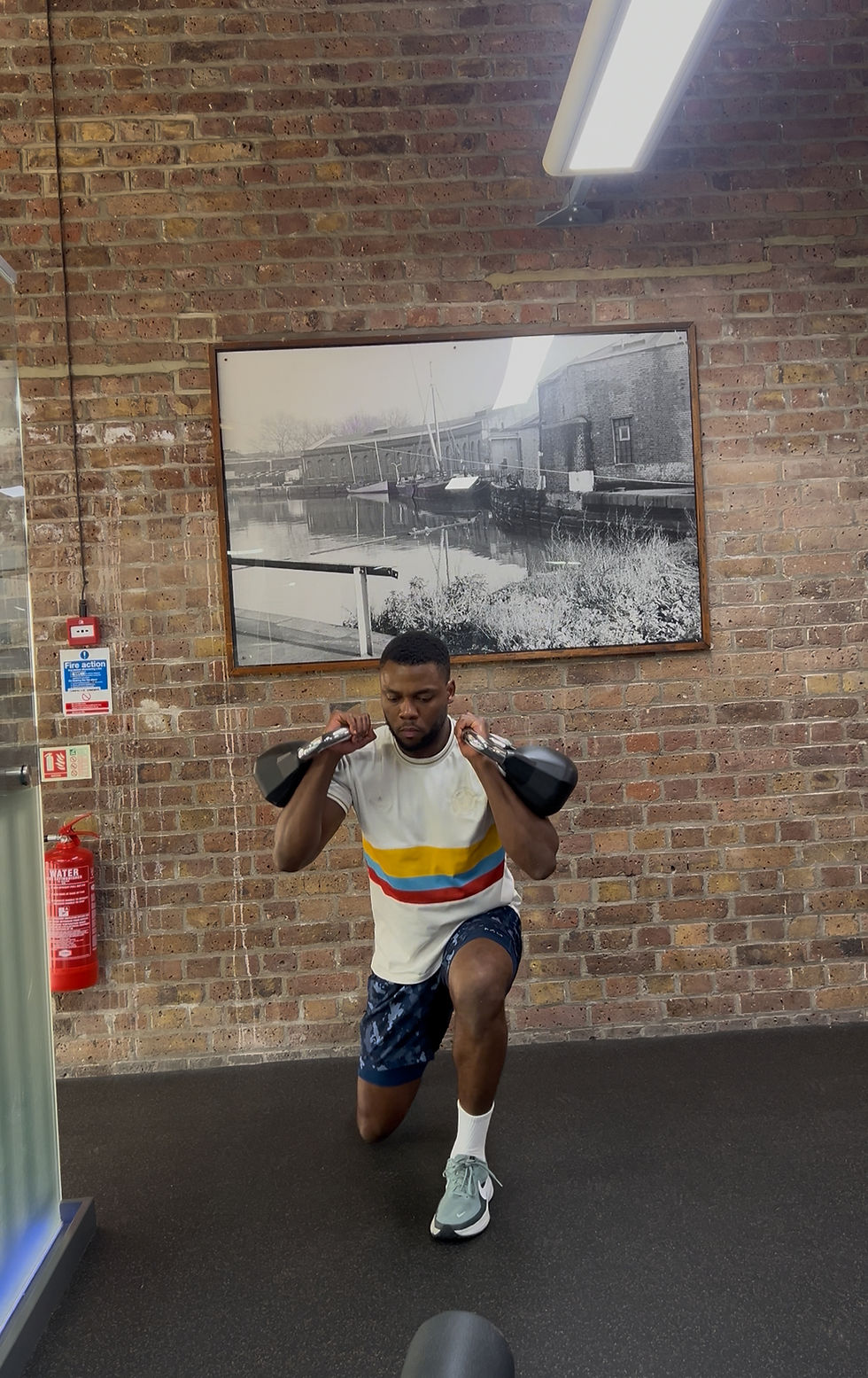
Strong legs help with sprinting, tackling, jumping and changing direction. Key movement patterns include squats, lunges, split squats and hip hinges.
Hamstring And Glute Strength
The hamstrings and glutes are essential for acceleration and sprinting. Weaknesses in these areas can leave players more exposed during high-speed actions.
Core Stability
Core strength helps players stay balanced during contact, shooting, turning and landing. It is not just about sit-ups. Footballers need anti-rotation, bracing and control.
Single-Leg Control
Football is mostly played on one leg at a time. Running, kicking, landing and changing direction all require single-leg strength and balance.
Mobility And Movement Quality
Strength is most useful when the body can move well. Hip mobility, ankle range and controlled movement patterns all support safer football performance.
The NHS physical activity guidelines also recommend regular strengthening activities for adults, which supports the wider health benefits of this type of training.
What A Simple Weekly Strength Plan Could Include
For amateur footballers, consistency matters more than complexity. One or two focused strength sessions per week can make a meaningful difference over time.
A simple session might include:
Warm-up and mobility work
Squat or split squat variation
Hip hinge exercise
Hamstring strengthening
Calf work
Core stability
Balance or landing drills
The exact exercises should depend on your current ability, injury history and football schedule.
Common Mistakes Amateur Players Make
Many players only think about strength training after they get injured. Others train too hard in the gym and feel heavy or sore before matches.
Common mistakes include:
Doing random workouts without a plan
Ignoring hamstrings and calves
Training too close to match day
Skipping mobility work
Returning from injury too quickly
Only doing upper-body gym sessions
Treating warm-ups as optional
A good programme should support your football, not leave you too tired to play.
When To Get Professional Guidance
If you regularly pick up minor injuries, feel physically unprepared for matches, or are unsure how to train around football, working with a coach can help.
Coach Nige works with recreational athletes, including footballers, using structured strength and conditioning principles, football coaching experience and injury-aware training. You can learn more about the types of people supported on the Who I Work With page.
FAQs
Does strength training really help prevent football injuries?
Strength training can help reduce injury risk by improving muscle strength, joint control, balance and movement quality. It cannot prevent every injury, but it can make the body better prepared for football demands.
How often should amateur footballers do strength training?
Most amateur footballers can benefit from one to two strength sessions per week, depending on their match schedule, recovery and training experience.
Should footballers lift heavy weights?
Some players may benefit from heavier strength work, but beginners should focus first on technique, control and progressive loading.
What is the best exercise for football injury prevention?
There is no single best exercise. A balanced programme should include lower body strength, hamstring work, core stability, calf strength and single-leg control.
Can I strength train during the football season?
Yes, but training should be adjusted around matches. The aim during the season is usually to maintain strength, support recovery, and avoid unnecessary fatigue.
Build A Stronger, More Resilient Body For Football
Strength training is one of the most useful tools amateur footballers can use to reduce injury risk and improve performance. With the right structure, it helps you move better, recover more confidently and stay consistent across the season.
For tailored support with football-focused strength and conditioning, get in touch with Coach Nige through the contact page.



Comments